
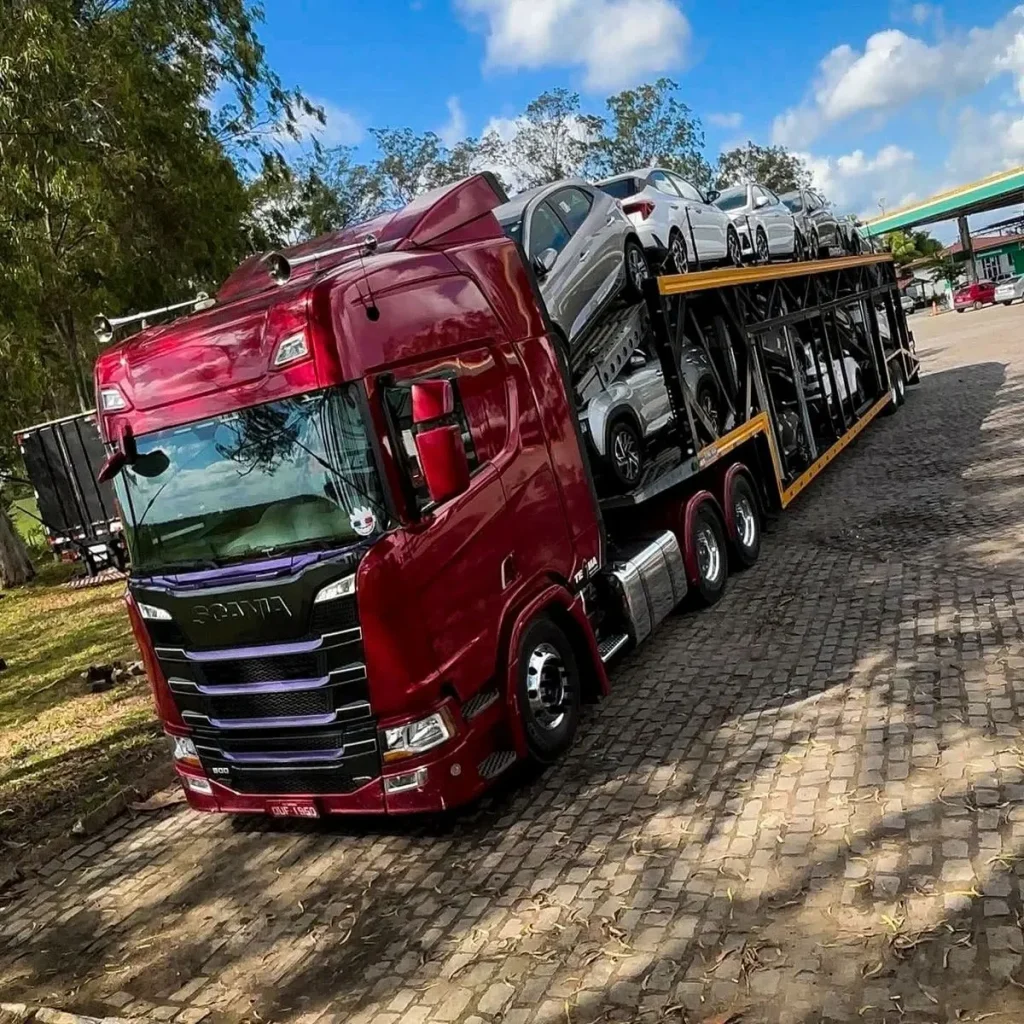
Shipping a vehicle can be a practical solution when moving to another state, purchasing a car from a distant seller, relocating for work, or sending a vehicle to a family member. Instead of driving hundreds or thousands of miles yourself, you can arrange professional auto transport and plan your trip around your other priorities.
If you are arranging vehicle shipping for the first time, understanding the process can help you make informed decisions. Car Way Transport offers information about several transport options, including open car transport, enclosed car transport, door-to-door auto transport, and state-to-state shipping.
What Is Car Shipping?
Car shipping is the process of transporting a vehicle from one location to another using a specialized vehicle carrier or transport arrangement. Depending on your needs, your vehicle may travel on an open trailer or inside an enclosed trailer.
Auto transport can be useful for individuals relocating, college students moving between states, online vehicle buyers, dealerships, seasonal residents, and owners of classic or specialty vehicles.
The appropriate option depends on your vehicle, budget, route, pickup and delivery locations, and preferred level of protection during transportation.
Step 1: Choose the Right Transport Service
Before requesting a quote, consider which service fits your needs.
Open car transport: Your vehicle travels on an open carrier. This is a common option for standard cars, SUVs, and pickup trucks.
Enclosed car transport: Your vehicle travels inside an enclosed trailer. This option may be appropriate for classic, luxury, collectible, or specialty vehicles that need additional protection from outside exposure.
Door-to-door auto transport: Pickup and delivery are arranged as close as safely and legally possible to your requested addresses, subject to truck access and route conditions.
State-to-state auto transport: Your vehicle is transported between locations in different states. The specific route, distance, scheduling, and transport method influence the arrangement.
Step 2: Request a Shipping Quote
A useful quote begins with accurate shipment details. Be ready to provide your vehicle’s make, model, year, pickup location, delivery location, and preferred timeframe.
You should also disclose whether the vehicle is running, whether it has unusual dimensions, and whether it requires special handling. These details can affect carrier suitability and pricing.
Ask what the quoted price includes, whether any additional charges may apply, how payment works, and whether the quote is subject to change. Comparing providers based on clear terms—not just the lowest advertised price—can help you avoid surprises.
Step 3: Confirm the Transport Arrangement
Once you have reviewed the quote and service terms, confirm the arrangement with your chosen provider. Before committing, review the expected pickup window, estimated transit time, cancellation policy, payment terms, and any applicable carrier or broker information.
Pickup dates and delivery estimates can change because of weather, traffic, route conditions, carrier schedules, and other factors. Ask how updates will be communicated and which contact method should be used if your plans change.
Step 4: Prepare Your Vehicle
Before pickup, remove personal belongings and unnecessary accessories. Personal items may be prohibited or may not be covered by the carrier’s cargo insurance, so confirm the applicable policy in advance.
Clean your vehicle sufficiently to make existing scratches, dents, and other exterior conditions visible. Take dated photographs from multiple angles and document any visible damage. Keep a copy of the photographs for your records.
Remove toll tags when appropriate, secure loose parts, and leave only the fuel level requested by the transport provider. Make sure the vehicle’s condition and operating status have been accurately disclosed.
Step 5: Inspect the Vehicle at Pickup and Delivery
At pickup, review the vehicle’s condition with the responsible representative and make sure any existing damage is recorded on the applicable inspection report or bill of lading.
When the vehicle arrives, inspect it carefully before signing the final delivery paperwork. Compare its condition with your original photographs and the pickup report. If you notice new damage, document it clearly and follow the carrier’s claim procedures promptly. Keep copies of all relevant records.
What Affects Car Shipping Costs?
Several factors may influence the price of a shipment:
Distance and the specific pickup and delivery route
Vehicle size, weight, and dimensions
Open versus enclosed transport
Vehicle condition and whether it can be driven onto the carrier
Seasonal demand and carrier availability
Pickup and delivery accessibility
Requested scheduling and any special handling requirements
Because these factors vary, a personalized quote is more useful than relying on a general price estimate.
Tips for a Smoother Shipping Experience
Book with enough flexibility to accommodate scheduling changes. Confirm the provider’s role and the identity of the carrier when applicable. Read the contract before paying, verify insurance information, and keep written records of quotes, communications, and inspection reports.
Avoid assuming that a quoted delivery date is guaranteed unless the written agreement explicitly states the applicable terms.
Conclusion
Car shipping becomes easier to manage when you understand the transport options, prepare your vehicle properly, and confirm the details before pickup. Comparing service types and reviewing the provider’s terms can help you choose an arrangement that suits your vehicle and budget.
Contact Car Way Transport to ask about available vehicle shipping options.
Phone: (712) 214-2137
Email: info@carwaytransport.com
Website: https://carwaytransport.com