
Enclosed Car Transport | Sioux City, IA
Enclosed car transport is an option for customers who prefer to ship their vehicles inside a covered trailer. It may be suitable for classic cars, luxury vehicles, collectibles, and other automobiles where reducing exposure to outdoor conditions is a priority.
Services
News

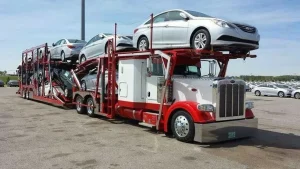
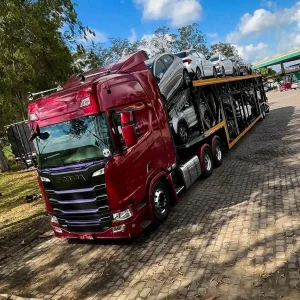
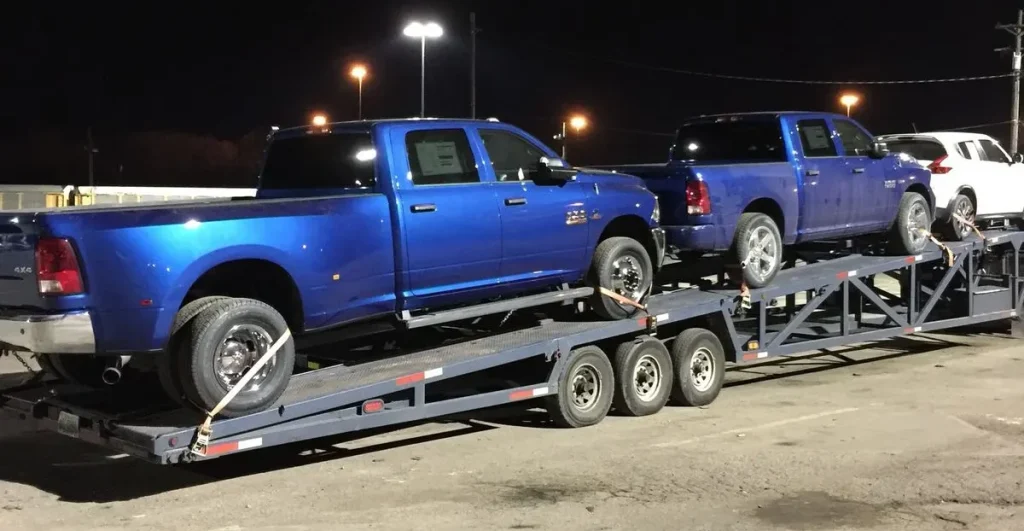
Some vehicles require extra consideration when arranging transportation. Classic automobiles, luxury models, restored cars, performance vehicles, and collectibles may have special value or condition requirements that influence the shipping method.
Enclosed car transport provides an alternative to open carriers by moving a vehicle inside a covered trailer. Car Way Transport helps customers explore vehicle transportation options and understand which details to consider when arranging a shipment.
If you are comparing shipping methods for a valuable or specialty vehicle, learning how enclosed transport works can help you choose an option that aligns with your needs.
## What Is Enclosed Car Transport?
Enclosed car transport involves transporting a vehicle inside a trailer with a roof and covered sides. Unlike an open carrier, the enclosed trailer provides a physical barrier between the vehicle and many outdoor conditions encountered during transit.
This can reduce direct exposure to rain, dust, road debris, and sunlight. However, enclosed transportation does not eliminate every possible transport risk, and the exact level of protection depends on the equipment, handling procedures, and written service agreement.
Carrier capacity, vehicle dimensions, loading requirements, and route availability all affect whether enclosed transport is suitable for a particular shipment.
## Benefits of Enclosed Car Transport
### Reduced Exposure to Outdoor Conditions
The covered trailer provides an additional layer of protection from weather and road debris. This can be an important consideration for owners who want to minimize environmental exposure during transportation.
### Suitable for Specialty and Collectible Vehicles
Enclosed transport may be worth considering for classic cars, restored vehicles, collector automobiles, luxury models, and specialty vehicles that need additional care during shipment.
### A Consideration for High-Value Vehicles
Owners of valuable vehicles may prefer the covered environment offered by enclosed transport. Before booking, customers should still review insurance coverage, liability provisions, inspection procedures, and claims requirements.
### Options for Particular Transport Requirements
Some enclosed carriers offer equipment or loading arrangements designed for certain vehicle types. Customers should confirm that the actual carrier can accommodate their vehicle’s dimensions, ground clearance, and other requirements.
## Who Should Consider Enclosed Car Transport?
Enclosed transport may suit owners of vintage cars, show vehicles, restored automobiles, luxury vehicles, performance cars, and other vehicles where minimizing outside exposure is especially important.
It can also be considered when transporting a vehicle to a show, a collector, a specialist workshop, or a new location.
Not every vehicle needs enclosed transport. For many everyday vehicles, open transport may be a practical alternative. The decision should reflect the vehicle’s condition, value, protection preferences, and budget.
## How Enclosed Car Transport Works
### Step 1: Share Your Vehicle Details
Provide the make, model, year, dimensions if needed, operating condition, pickup and delivery locations, and preferred dates. Mention low ground clearance, modifications, or any special loading requirements.
### Step 2: Confirm Equipment and Availability
Ask whether an enclosed carrier is available for your route and whether it can accommodate your vehicle. Review the expected pickup window, estimated transit time, handling arrangements, and written service terms.
### Step 3: Review Pricing and Coverage
Enclosed transport often costs more than open transport, although actual pricing depends on the shipment. Ask what the quote includes, how payment works, and what insurance coverage and exclusions apply.
Do not assume that a covered trailer automatically means every type of damage or loss is insured.
### Step 4: Prepare the Vehicle
Remove personal belongings and follow instructions about keys, alarms, accessories, and fuel level. Photograph the vehicle from multiple angles and record existing scratches, dents, or other visible conditions before pickup.
### Step 5: Inspect at Pickup and Delivery
Review the pickup inspection report and make sure existing damage is documented. When the vehicle arrives, inspect it carefully before signing the delivery paperwork. Document any suspected new damage and follow the applicable claims process.
## What Affects Enclosed Transport Pricing?
The price may depend on route distance, vehicle size and weight, carrier availability, loading requirements, seasonal demand, pickup accessibility, and scheduling flexibility.
Specialty vehicles may need equipment that is not available on every route. Vehicles with low clearance, non-standard dimensions, or mechanical issues may require additional planning.
Because enclosed carriers have different equipment and capacity from open carriers, availability and cost can vary. Request a quote for your specific vehicle and route.
## Preparing for Enclosed Vehicle Shipping
Even when using a covered trailer, preparation matters. Remove loose belongings, secure or remove accessories as instructed, and make sure the vehicle’s operating condition has been disclosed accurately.
Take photographs before the vehicle is loaded and retain the written agreement, quote, inspection report, and communications. Confirm how pickup and delivery updates will be provided and who to contact if your plans change.
## Explore Enclosed Car Transport Options
Choosing enclosed car transport may be worthwhile when reducing exposure to outside conditions is a priority. The most appropriate arrangement depends on your vehicle, route, budget, and the carrier’s equipment and terms.
Contact Car Way Transport to discuss your vehicle’s requirements and request information about available shipping options.
**Phone:** (712) 214-2137
**Email:** info@carwaytransport.com
**Website:** https://carwaytransport.com
Auto Transport FAQs
Find answers to some common questions about car shipping and vehicle transportation.
How much does car shipping cost?
The price depends on the shipping distance, vehicle size and condition, carrier type, route demand, season, and pickup and delivery access. Request a quote using your specific vehicle and route details for a more useful estimate.
What is the difference between open and enclosed car transport?
Open transport moves vehicles on an exposed carrier and is commonly used for everyday vehicles. Enclosed transport uses a covered trailer that provides additional protection from outdoor exposure and may be preferred for classic, luxury, collectible, or specialty vehicles.
Is door-to-door auto transport available at every address?
Pickup and delivery can be arranged as close as safely and legally possible to your requested locations. Narrow streets, local restrictions, traffic, and truck access may require a nearby meeting point. Confirm the actual locations before booking.
How long does state-to-state car shipping take?
Transit time depends on distance, route, carrier availability, weather, traffic, and operational stops. Ask for both the expected pickup window and estimated transit time, and allow flexibility if your relocation depends on the vehicle's arrival.
How should I prepare my car for shipping?
Remove personal belongings, follow instructions about fuel level and accessories, disclose mechanical issues, and photograph the vehicle before pickup. Review the inspection report at pickup and delivery, and retain copies of the shipping documents.