
State-to-State Auto Transport | Sioux City, IA
State-to-state auto transport helps customers move vehicles between locations in different U.S. states. Whether you are relocating, buying a car from another state, or coordinating a long-distance move, the right transport arrangement can make planning easier.
Services
News

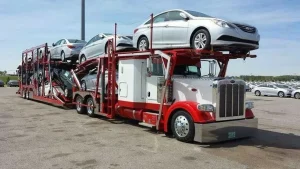
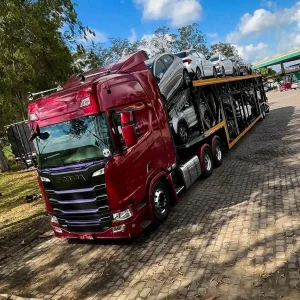

Moving a vehicle across state lines can involve significant driving time, fuel expenses, mileage, and scheduling challenges. If you are relocating, purchasing a car from another state, or sending a vehicle to a family member, state-to-state auto transport can provide an alternative to driving the entire route yourself.
Car Way Transport helps customers explore vehicle shipping options for their transportation needs. By understanding the route, vehicle requirements, and available service types, you can make a more informed decision about moving your vehicle between states.
## What Is State-to-State Auto Transport?
State-to-state auto transport is the transportation of a vehicle between pickup and delivery locations in different U.S. states. Depending on your needs and provider availability, the shipment may use an open carrier or an enclosed carrier.
The service can be considered for family cars, SUVs, pickup trucks, and other eligible vehicles. The carrier must be able to accommodate the vehicle’s size, weight, dimensions, operating condition, and loading requirements.
A successful shipment begins with accurate information. The pickup and delivery locations, preferred dates, vehicle condition, and any special requirements should be communicated before a quote is finalized.
## Benefits of State-to-State Vehicle Shipping
### An Alternative to Long-Distance Driving
Driving between states can require fuel, meals, overnight accommodation, and additional mileage. Transporting the vehicle may help reduce the amount of driving you need to do, although the overall cost comparison depends on your individual circumstances.
### Useful for Relocations
Families and professionals moving to another state often need to coordinate housing, belongings, travel, and work schedules. Arranging vehicle transportation separately can help make the overall move easier to organize.
### Helpful for Out-of-State Vehicle Purchases
If you purchase a vehicle from a seller in another state, auto transport may provide a way to arrange delivery without traveling to collect the vehicle yourself. Confirm the vehicle’s condition, ownership documentation, and pickup authorization before transport.
### Different Transport Options
Open transport may be a practical option for many standard vehicles. Enclosed transport may be worth considering for classic, luxury, collectible, or specialty vehicles where reducing outside exposure is important.
The appropriate service depends on your budget, vehicle requirements, route, and carrier availability.
## Who May Need Interstate Auto Transport?
State-to-state transport may be useful for people relocating for employment, families moving homes, students changing colleges, seasonal residents, online vehicle buyers, and dealerships moving eligible vehicles.
It may also suit customers sending a vehicle to relatives or coordinating a move when driving the vehicle is inconvenient.
Before booking, consider whether the vehicle runs, whether special loading equipment may be needed, and whether the requested pickup and delivery locations are accessible to the carrier.
## How State-to-State Auto Transport Works
### Step 1: Request a Route-Specific Quote
Provide the vehicle’s make, model, year, condition, pickup location, delivery location, and preferred shipping timeframe. Disclose any modifications, unusual dimensions, or mechanical issues that may affect loading or transportation.
### Step 2: Compare Services and Confirm the Terms
Review the quote and ask about the transport method, expected pickup window, estimated transit time, payment schedule, cancellation terms, and potential additional fees.
Confirm who will arrange and perform the transportation. If a broker is involved, ask how the carrier will be identified and how shipment updates will be provided.
### Step 3: Prepare for Pickup
Remove personal belongings and follow instructions about keys, accessories, alarms, and fuel level. Photograph the vehicle’s condition before loading and make sure existing damage is recorded in the inspection report.
### Step 4: Track the Arrangement and Prepare for Delivery
Keep your contact details current and respond to scheduling communications. Transit estimates can be affected by distance, traffic, weather, carrier schedules, and other operational conditions, so allow flexibility where possible.
### Step 5: Inspect Your Vehicle at Arrival
When the vehicle is delivered, compare its condition with the pickup report and photographs. Record any suspected new damage and follow the carrier’s claims process promptly. Keep your shipment agreement and inspection documents for your records.
## What Affects State-to-State Shipping Costs?
The cost of interstate vehicle transport depends on multiple factors, including:
– Distance and the specific route
– Vehicle size, weight, and operating condition
– Open or enclosed carrier selection
– Pickup and delivery accessibility
– Seasonal demand and carrier availability
– Scheduling requirements
– Special loading or handling needs
The price may not increase in a simple fixed proportion to distance because carrier availability and route efficiency also affect pricing. A quote based on your actual shipment details will provide a more useful estimate.
## How Long Does State-to-State Shipping Take?
Pickup scheduling and transit time are separate parts of the process. The time required depends on the distance, route, carrier availability, weather, traffic, and operational stops.
Ask the provider for the expected pickup window and estimated transit time before booking. If you have a firm relocation date, explain the constraint and review any written commitments carefully. Avoid treating an estimate as a guarantee unless the agreement expressly establishes one.
## Prepare for a Better Shipping Experience
Accurate information and clear communication can reduce avoidable problems. Confirm the vehicle’s condition, keep copies of the quote and agreement, and make sure the pickup and delivery contacts are available.
Review the insurance information and claims process before transport. At both pickup and delivery, take photographs and retain the inspection report.
## Request State-to-State Auto Transport Information
State-to-state auto transport can be a useful option when you need to move a vehicle between locations in different states. Comparing transport methods, reviewing written terms, and preparing the vehicle carefully can help you plan the shipment.
Contact Car Way Transport to discuss your interstate shipping requirements and ask about available options.
**Phone:** (712) 214-2137
**Email:** info@carwaytransport.com
**Website:** https://carwaytransport.com
Auto Transport FAQs
Find answers to some common questions about car shipping and vehicle transportation.
How much does car shipping cost?
The price depends on the shipping distance, vehicle size and condition, carrier type, route demand, season, and pickup and delivery access. Request a quote using your specific vehicle and route details for a more useful estimate.
What is the difference between open and enclosed car transport?
Open transport moves vehicles on an exposed carrier and is commonly used for everyday vehicles. Enclosed transport uses a covered trailer that provides additional protection from outdoor exposure and may be preferred for classic, luxury, collectible, or specialty vehicles.
Is door-to-door auto transport available at every address?
Pickup and delivery can be arranged as close as safely and legally possible to your requested locations. Narrow streets, local restrictions, traffic, and truck access may require a nearby meeting point. Confirm the actual locations before booking.
How long does state-to-state car shipping take?
Transit time depends on distance, route, carrier availability, weather, traffic, and operational stops. Ask for both the expected pickup window and estimated transit time, and allow flexibility if your relocation depends on the vehicle's arrival.
How should I prepare my car for shipping?
Remove personal belongings, follow instructions about fuel level and accessories, disclose mechanical issues, and photograph the vehicle before pickup. Review the inspection report at pickup and delivery, and retain copies of the shipping documents.