
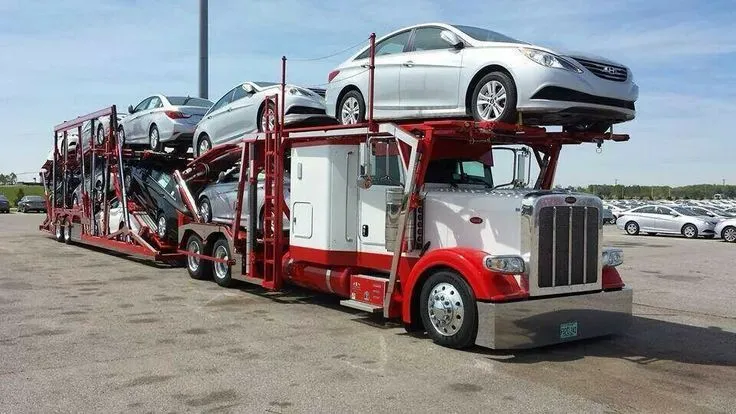
When arranging vehicle shipping, one of the first decisions is whether to choose open or enclosed car transport. Both options are used to move vehicles over short or long distances, but they offer different levels of exposure, capacity, and cost.
The best choice depends on the value and condition of your vehicle, your budget, your shipping route, and your preferences. Understanding the main differences can help you select an appropriate transport arrangement.
What Is Open Car Transport?
Open car transport uses a carrier with an exposed trailer to move vehicles. It is a common choice for standard passenger cars, SUVs, pickup trucks, and many dealership vehicles.
Because open carriers can transport multiple vehicles at once, they are widely used for vehicle deliveries across the United States. This can make open transport a practical option for customers who want to balance transportation needs and budget.
However, vehicles on an open carrier are exposed to outdoor conditions such as rain, dust, road debris, and sunlight during transit. Exposure does not automatically mean damage will occur, but customers should understand that an open carrier does not provide the same physical enclosure as an enclosed trailer.
Benefits of Open Car Transport
Practical for everyday vehicles: Open transport is suitable for many standard cars and light trucks.
Broad carrier use: Open carriers are commonly used on a wide range of routes, although availability still depends on location and scheduling.
Budget-conscious option: Open transport often costs less than enclosed transport, though the actual quote depends on the route, vehicle, season, and available capacity.
Useful for long-distance moves: It can be considered for relocations, online vehicle purchases, and other interstate shipments.
What Is Enclosed Car Transport?
Enclosed car transport uses a trailer with covered sides and a roof. The enclosure provides an additional barrier against weather, dust, and road debris compared with an open carrier.
This service may be particularly appealing to owners of classic cars, collectible vehicles, luxury automobiles, performance cars, restored vehicles, or other vehicles where minimizing outside exposure is a priority.
Enclosed transport does not eliminate every possible transport risk. Customers should still review the provider’s insurance arrangements, handling procedures, inspection process, and written terms.
Benefits of Enclosed Car Transport
Additional environmental protection: The covered trailer helps shield the vehicle from direct exposure to rain, road debris, and other outdoor conditions.
Suitable for specialty vehicles: Owners of high-value, collectible, or carefully restored vehicles may prefer an enclosed environment.
A more specialized option: Depending on the provider and equipment, enclosed transport may offer handling arrangements designed for particular vehicle requirements.
Peace of mind for some owners: Customers who prioritize minimizing exposure may find the additional cost worthwhile.
Open vs. Enclosed Car Transport: Key Differences
Feature
Open Transport
Enclosed Transport
Trailer type
Exposed carrier
Covered trailer
Weather exposure
Vehicle exposed to outdoor conditions
Additional protection from outside exposure
Typical cost
Often lower
Often higher
Common use
Everyday vehicles and standard shipments
Classic, luxury, collectible, or specialty vehicles
Availability
Often widely used
Depends on route and equipment availability
Best consideration
Budget and practical transport
Additional protection and vehicle requirements
These are general comparisons. Actual service features, availability, pricing, and protection depend on the carrier and written shipment agreement.
Which Option Is Right for Your Vehicle?
Open transport may be a good fit if you are shipping a standard vehicle and want a practical option. It is worth considering for routine relocations, family vehicles, and many used-car purchases.
Enclosed transport may be worth considering if your vehicle is rare, highly valuable, restored, or particularly sensitive to outside exposure. Before booking, ask about trailer capacity, loading equipment, clearance requirements, insurance coverage, and whether the vehicle’s dimensions are compatible with the service.
Budget should be considered alongside vehicle needs. A lower price may be appealing, but the right option should also reflect the vehicle’s condition, intended use, and your comfort with the transport method.
What Affects the Price of Each Service?
Pricing can depend on the shipping distance, pickup and delivery locations, vehicle size, operating condition, season, route demand, and scheduling flexibility. Enclosed transport can cost more because the equipment and available capacity differ from open transport.
Request a quote for the specific vehicle and route rather than relying on a general average. Ask what is included in the quote, whether the price is binding or subject to change, and what circumstances could lead to additional charges.
How to Prepare for Either Type of Transport
Before pickup, remove personal belongings and confirm any restrictions on items left inside the vehicle. Photograph the vehicle’s exterior, document existing damage, and disclose mechanical issues or modifications.
Confirm the pickup arrangements, expected delivery window, payment terms, insurance information, and inspection procedures. At delivery, inspect the vehicle and record any new damage before completing the applicable paperwork.
Conclusion
Open and enclosed car transport serve different needs. Open transport is a common, practical choice for many everyday vehicles, while enclosed transport provides an additional layer of protection from outdoor exposure for vehicles that may need it.
Compare the available services, ask questions about coverage and handling, and choose the option that best fits your vehicle and budget.
Contact Car Way Transport for information about available car shipping options.
Phone: (712) 214-2137
Email: info@carwaytransport.com
Website: https://carwaytransport.com